Looking for a suburb that feels more connected, more walkable, and more intentionally designed than the usual spread of subdivisions and shopping centers? That is a big part of what draws buyers to Reston. If you are trying to understand what everyday life here actually feels like, this guide will show you how Reston’s original planning still shapes housing, recreation, errands, and commuting today. Let’s dive in.
Reston was planned differently
Reston was created in 1961, when Robert E. Simon Jr. began developing 6,750 acres of Sunset Hills Farm as a community open to all races, ages, and incomes. Fairfax County identifies Reston as one of the first master-planned communities in the United States, and that origin still matters.
Instead of growing as a collection of unrelated subdivisions, Reston was designed as a complete community. Fairfax County’s planning documents describe a framework where people could live, work, and play within a coordinated system of neighborhoods, village centers, recreation, and open space.
That planning structure is part of what makes Reston feel distinct from many other suburban communities in Northern Virginia. The layout was not accidental, and you can still see that in the way homes, shops, trails, and gathering places fit together.
Village centers shape daily life
One of Reston’s most defining features is its village-center model. Fairfax County says these centers were planned as focal points for surrounding neighborhoods, with space for neighborhood-serving retail, restaurants, professional offices, and public gathering.
The existing village centers include Lake Anne, Hunters Woods, South Lakes, and North Point. The county’s guidance is clear that these places are meant to remain neighborhood-scale gathering spots rather than turning into dense urban districts.
That matters if you want a community where daily life is spread across several convenient hubs. In Reston, errands, casual dining, and meeting up with neighbors often happen close to home instead of along one long commercial strip.
Lake Anne reflects the original idea
Lake Anne is the clearest example of Reston’s original village-center concept. Fairfax County notes that the early model centered on features like a public plaza, stores, restaurants, and other community uses arranged around a shared gathering place.
That design gives Lake Anne a different feel from a conventional suburban shopping center. It was meant to function as part of neighborhood life, not just as a place to park, shop, and leave.
Reston Town Center plays a bigger role
Reston Town Center is different from the village centers in both scale and purpose. Fairfax County describes it as a centrally located town center with urban form, high-density housing and offices, Fountain Square, and retail with regional draw.
In practical terms, that gives Reston two layers of activity. You have neighborhood-scale centers for everyday needs, and you also have a larger destination that supports dining, events, shopping, and office use in a more urban setting.
Trails and open space are everyday infrastructure
In many communities, green space is a nice extra. In Reston, it is built into daily life. Reston Association says the community includes more than 1,350 acres of open space and 55 miles of paved pathways and natural-surface trails.
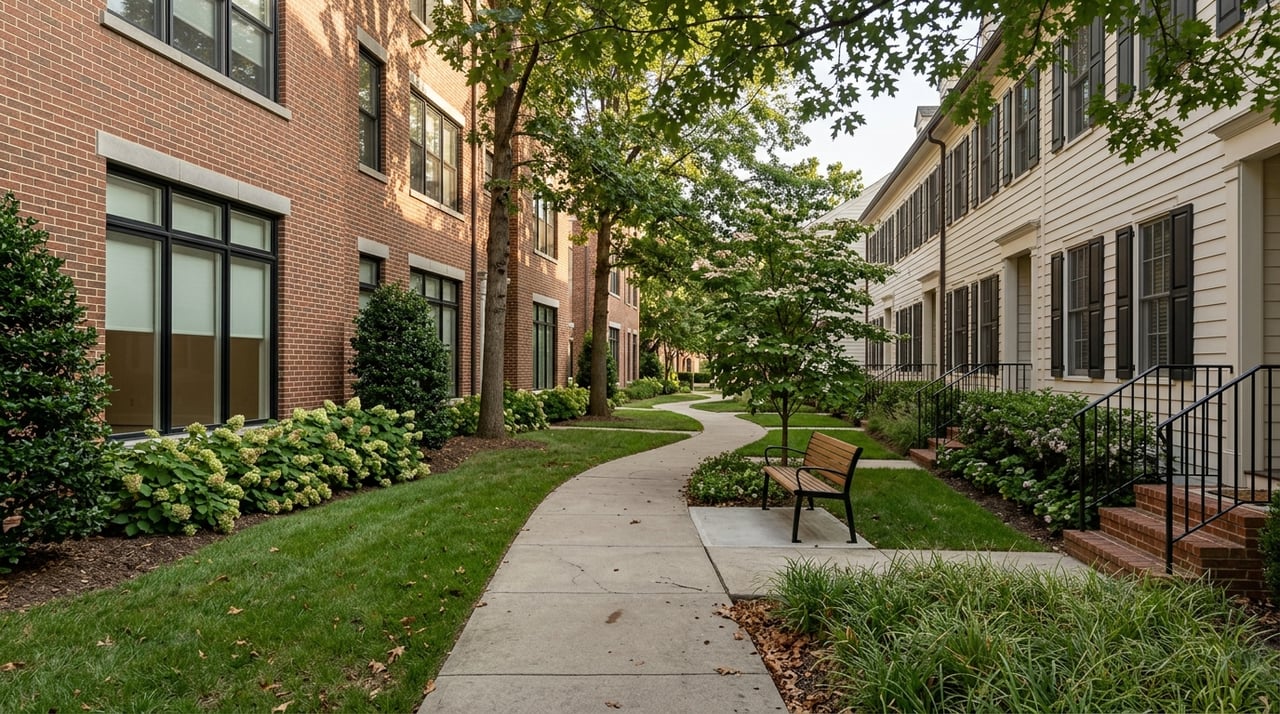
Those trails connect neighborhoods, schools, shopping, and recreation, which helps explain why they feel like part of the transportation network as much as a weekend amenity. If you value being able to walk, bike, or simply step outside into a more natural setting, Reston’s layout stands out.
Reston Association also reports more than 700 acres of forest, 50 meadows, four wetlands, four lakes, three ponds, and 20 miles of streams. That amount of preserved natural space is a major part of the community’s identity.
The lakes add another layer to the lifestyle
Reston’s four lakes are Lake Anne, Lake Thoreau, Lake Audubon, and Lake Newport. According to Reston Association, they support activities like fishing, boating, wildlife watching, and lakeside picnicking.
For buyers, that means the natural features here are not just scenic backdrops. They are part of how people spend time, move around, and enjoy the community throughout the year.
Stewardship helps keep the system cohesive
Reston Association manages covenants, recreation, and environmental resources for a community of more than 60,000 people. That stewardship role is one reason Reston can feel more coordinated than places where amenities and open space are managed in a more fragmented way.
The result is a community where natural areas are actively maintained rather than left to chance. That can make a real difference in how consistent the environment feels from one neighborhood to the next.
Housing options support different life stages
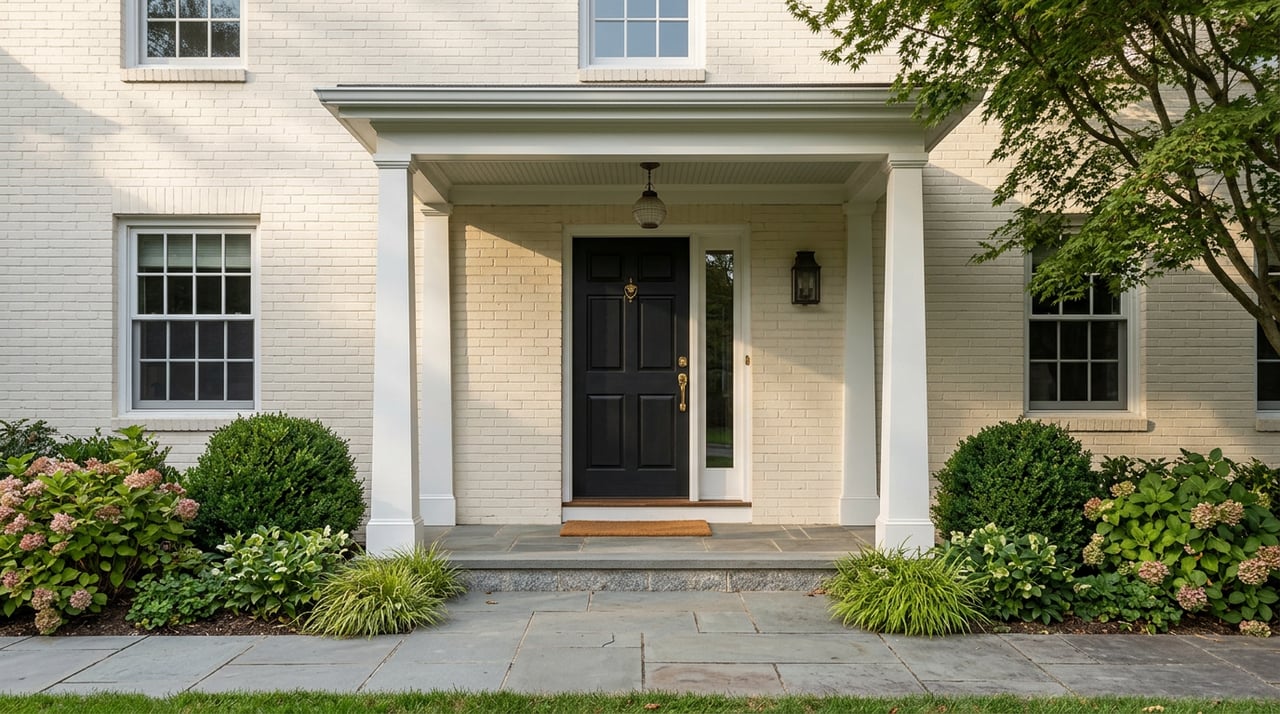
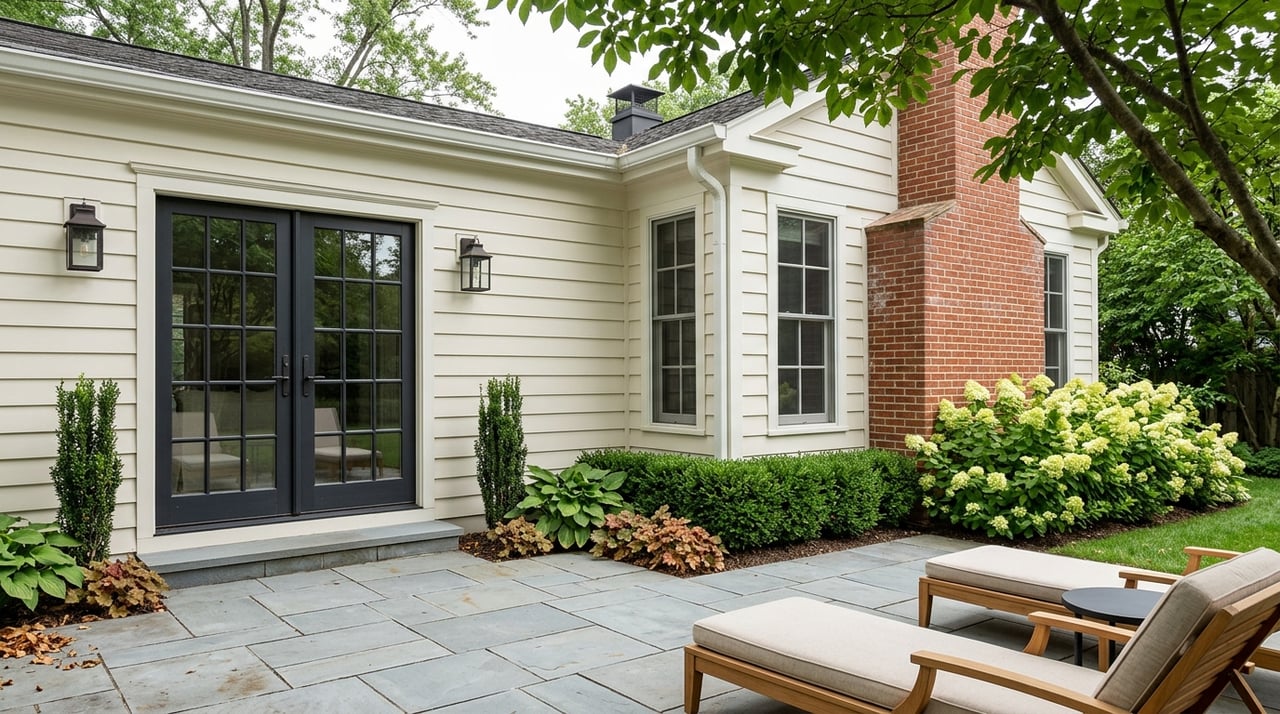
Reston is not built around just one home type. Fairfax County says the community includes single-family detached homes, townhouse clusters, and multifamily communities.
That variety gives buyers more flexibility as needs change. Whether you are looking for a condo-style home with less maintenance, a townhome near trails and village amenities, or a detached home with a little more space, Reston offers several paths within the same broader community.
The county also supports a range of housing types and sizes for all income levels. From a planning standpoint, that mix is part of what helps Reston function as a more complete community rather than a one-format suburb.
Transit adds flexibility
Reston’s design is not only about housing and green space. It also supports multiple ways to get around. WMATA lists both Reston Town Center and Wiehle-Reston East as active Metro stations in Reston.
Reston Town Center station includes bike racks and lockers, while Wiehle-Reston East offers daily parking, bike racks, lockers, and bikeshare. Fairfax County also maintains station-access improvement projects for the Reston area.
That does not mean every part of Reston feels car-free. But it does mean some households can live more lightly on a car than they might in a more typical suburban setting.
Bus connections reinforce the network
Fairfax Connector routes help tie together key destinations inside Reston. Route 559 runs between Reston Town Center Transit Station and Wiehle-Reston East Metro Station and serves Reston Town Center and access to the W&OD Trail.
Route 507 links Wiehle-Reston East with Sunrise Valley Drive and South Lakes Village Center. Together, those connections support the idea that Reston functions through linked centers rather than isolated pockets.
Why Reston feels different from a typical suburb
If you are comparing Reston with other Northern Virginia communities, the biggest difference may be how many pieces of daily life were planned to work together. Fairfax County’s framework points to clustered neighborhoods, village centers, recreational resources, preserved natural areas, and a mix of housing and commercial uses.
That combination can create a more balanced routine. You may find it easier to run errands locally, spend time outdoors without a long drive, and choose between neighborhood-scale convenience and larger town-center activity.
For remote workers, that can be especially appealing. The mix of nearby services, trail access, and transit options can make it easier to break up the day and stay connected to the community without constantly getting in the car.
What this means if you are considering a move
Reston is not one-size-fits-all, and different sections of the community offer different rhythms. Some buyers may prioritize village-center access, while others care more about trails, lake areas, Metro proximity, or a specific housing format.
That is why it helps to look beyond price and square footage alone. In Reston, the way a neighborhood connects to paths, retail, recreation, and transit can have a real impact on your day-to-day experience.
If you are relocating within the DMV or moving from outside the area, this is where local guidance matters. Understanding how Reston’s planned design works in practice can help you choose a home that fits not only your budget, but also the way you want to live.
If you want help comparing Reston neighborhoods, housing types, or commute options, Simone Velvel can help you make sense of the choices and find the right fit for your move.
FAQs
What makes Reston different from a typical suburb?
- Reston was planned as a complete community with clustered neighborhoods, village centers, trails, lakes, open space, and mixed uses instead of a more conventional subdivision pattern.
What kinds of homes are available in Reston?
- Fairfax County says Reston includes single-family detached homes, townhouse clusters, and multifamily communities, with a variety of housing types and sizes.
Can you live in Reston without driving everywhere?
- Some areas are more transit-oriented than others, but Reston has Metro stations, Fairfax Connector bus service, bike facilities, and trail connections that can make car-light living more practical than in many suburban settings.
Why do remote workers often find Reston appealing?
- Reston’s mix of village centers, trails, open space, and transit access can make it easier to work from home while still having nearby places for errands, meetings, and breaks outdoors.
What role do trails and open space play in Reston?
- Reston Association says the community has more than 1,350 acres of open space and 55 miles of pathways and trails connecting neighborhoods, schools, shopping, and recreation, making them part of everyday life.